
 If you've got an inefficient fireplace, you might as well be burning dollar bills. Any heat generated is offset by the warmth of your house being sucked up the chimney and outside.
An open-masonry fireplace might be only 15 percent efficient. But if there is no fire and the damper is left open, it can have negative efficiency as warm air escapes.
The quest for efficiency starts with the type of fireplace you have. Or want. Gas and electric fireplaces are the most efficient, wood-burners are the least. Open-faced, traditional wood-burning fireplaces are very inefficient.
Go into a fireplace shop and look at all the difference fireplaces.
When you do renovations, wood-burning fireplaces generally don't click design-wise. A redesigned room doesn't have the bang with an open fireplace that looks and feels outdated because it burns wood. You get a better return for your dollar with gas.
So let’s talk about efficiency.
If you already have a fireplace, there are things you can do to improve efficiency. First, make sure your chimney is clean and safe. After that, it's mostly about the features.
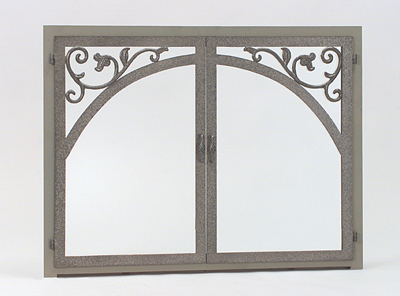
Without doors, your fireplace will suck the heat out of your home and send it up the chimney. There's an endless variety of designs for fireplace doors with tempered or ceramic glass. An advantage of the latter is it lets some heat radiate back into the room. Doors also add another level of safety, especially if there are kids around. Fireplace Doors on sale all through October at West Sport in Sudbury.
Damper
The throat damper is made of cast iron and sits near the bottom of the chimney and regulates air flow. It can warp or rust over time, compromising the seal and becoming less effective. The top mount damper sits atop the chimney and is preferred by some experts. Either way, keep the damper closed when the fireplace is not in use.
Fireplace Grates
Steel grates have a tendency to warp and wear out. A heavy-duty cast iron fireplace grate is recommended. Another possibility is one with a blower on the bottom that sends heat back into the room. This makes them 10 times more efficient.
Fireback
A metal plate lining the back of the fireplace, a fireback only protects the masonry and radiates heat back into the room when the fire dies down.
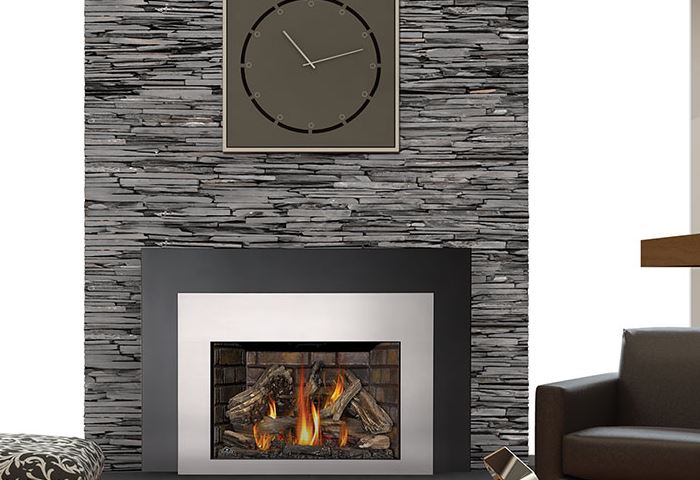
Fireplace Inserts are enclosed cast iron boxes that use gas, pellets, or wood, and are retrofitted into existing fireplaces. They are very efficient, and can reduce a home heating bill between 20 and 40 percent.
For more information on making your fireplace more attractive and efficient, contact West Sport. Everything we discussed in this blog will be on sale on Saturday, October 24 at our Grill and Fireplace Sidewalk Sale in Sudbury.
Chicago Tribune
 Cold weather is fast approaching. It's that time of the year when the fire not only provides warmth to a room but offers a cozy backdrop for sharing special moments. Though the fireplace is the centerpiece of a room, it is an element that homeowners don't often consider when designing their space. Here are some simple tips for bringing your fireplace to the foreground and getting more enjoyment from it this winter.
 Be Bold - If you have a fireplace that extends into the room, think of it as a different piece of architecture. Consider wrapping the exposed sides in a textured wallpaper, such as a grass cloth for an earthy Zen feel, or a shiny sparkly wall paper for a more modern, urban feel. Since you do not need a large amount of material, you might consider splurging a on a pricier product. For a more low cost approach, pick up an accent color from your rug or favorite pillow to simply paint the wall above the mantle and then paint the mantle itself in a complementary accent color for a graphic bold approach.
 Now is the time to replace your drafty, inefficient masonry fireplace with a gorgeous and efficient
 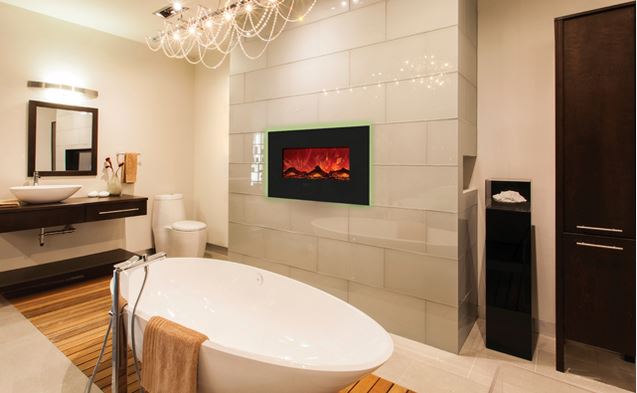 Amantii electric fireplaces
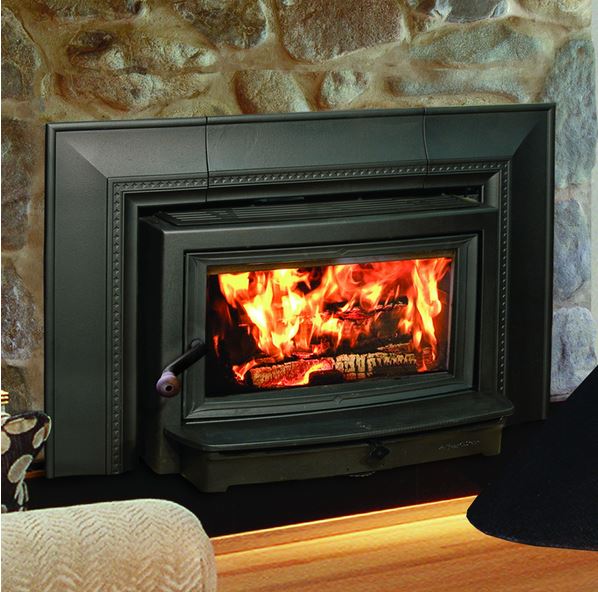 If you live in a home in the Boston area, you know that sooner than we know it, winter will be here. It is hard to forget about the epic winter we had last year. Now is the time to start thinking about heating your home this winter. If you want to make your heat more efficient,
 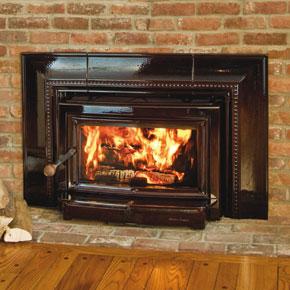 Interest in
 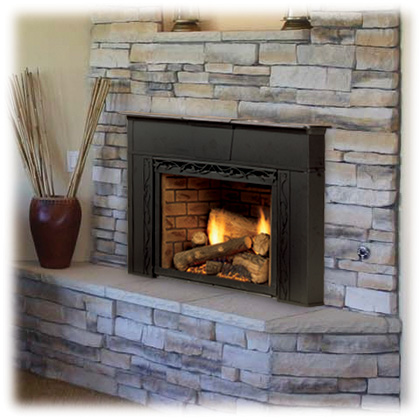 My house has a wood-burning fireplace that we seldom used because of the heat loss. The heating system and water heater run on natural gas, so I’m thinking of converting the fireplace to a gas fireplace.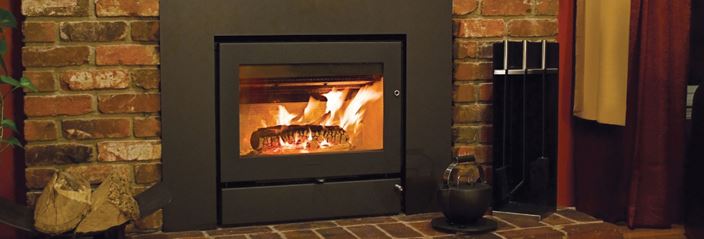
 Massachusetts will once again slash the taxes on purchases during tax-free weekend, which is this weekend, Aug. 15-16.